The Girl Raised to Believe Half of Her Was the Enemy: Halfway to the Grave by Jeaniene Frost
Paranormal romance built its reputation in the 2000s on a particular promise: the supernatural man who has been waiting centuries for exactly you.
Paranormal romance built its reputation in the 2000s on a particular promise: the supernatural man who has been waiting centuries for exactly you.
Hockey romance has a structural problem that most of its practitioners quietly ignore: the sport is a job, the season is ten months long, and the person you fall in love with is on a plane roughly half the time.
Small towns in romance novels tend to be either idylls or prisons, and both readings are a little bit of a cheat. Lyla Sage writes them as neither.
Looking for more romantic suspense books? Browse the whole shelf → There is a particular kind of heroine who arrives on the page already fluent in every language except the one everyone else is speaking.
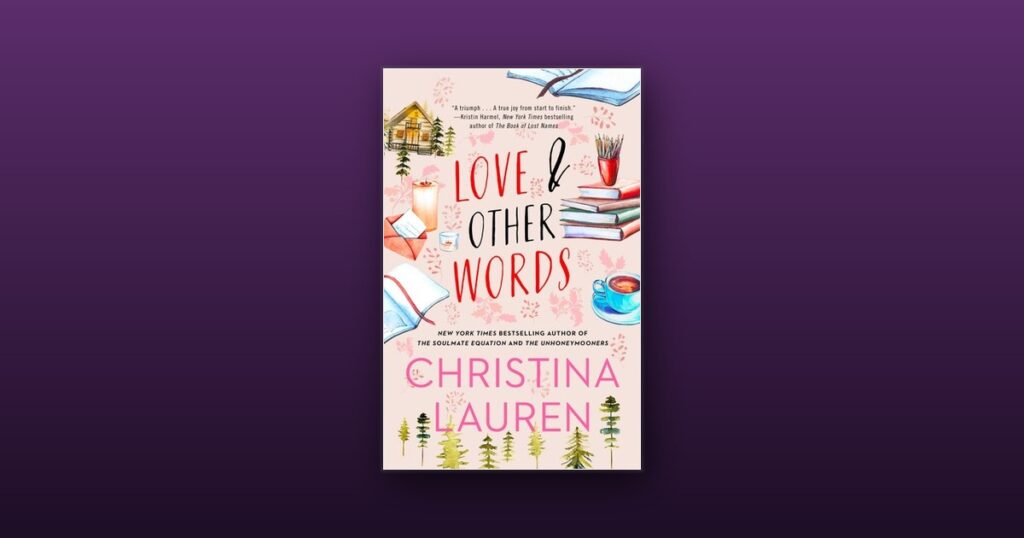
Looking for more contemporary romance books?
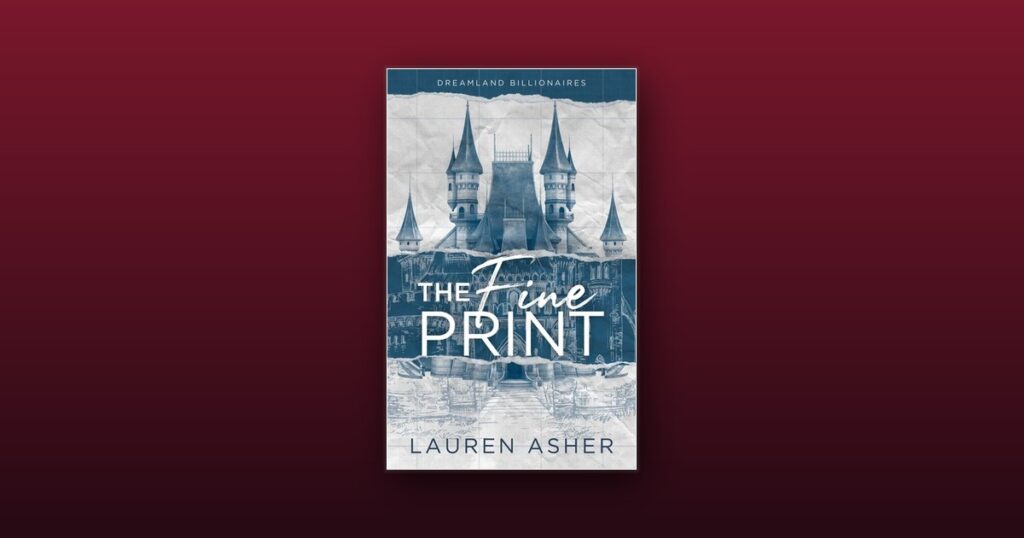
Looking for more contemporary romance books?
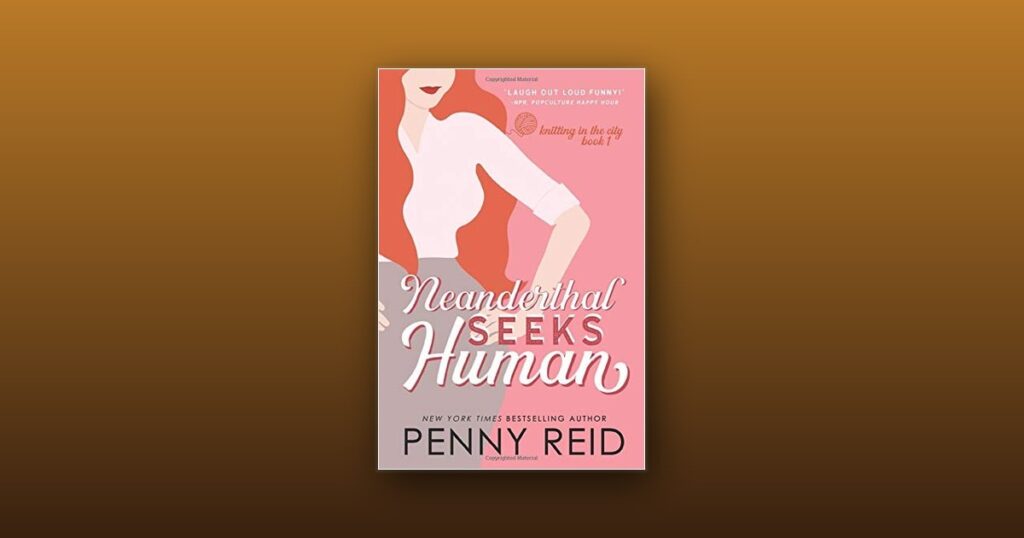
Looking for more contemporary romance books? Browse the whole shelf → Romance heroines are rarely allowed to be eccentric. They are allowed to be bookish, occasionally clumsy, professionally competent in nonthreatening ways — but genuinely, specifically odd, in ways that make other people in the narrative slightly puzzled by them?
Looking for more contemporary romance books?
Looking for more contemporary romance books?
Looking for more contemporary romance books? Browse the whole shelf → Abby Jimenez occupies a specific corner of contemporary romance: she writes emotional, sometimes very funny novels about people who are competent adults managing difficult lives, and her great skill is making the warmth and the depth coexist without either undermining the other.